
The Father’s Moral Trial
Le PèreThis flow follows Arlequin’s movement from affectionate proprietor to self-sacrificing moral father.
increasing Bearing strength in each event
 decreasing
Bearing strength in each eventdecreasingFestival Devotion

A Father’s Celebration
Public Joy
Arlequin prepares flowers, lights, music, gifts, and verses for Nisida’s festival. His wealth is meaningful to him chiefly because it can produce her happiness.
Private Grief
Memories of madame Argentine and his dead sons interrupt the celebration. His tenderness is rooted in loss as much as in prosperity.
The festive household therefore carries an undertone of mourning and fear of future solitude.
Marriage Proposal

A Protective Arrangement
The Marquis Chosen
Arlequin arranges Nisida’s marriage to the marquis d'Yrville, believing a respectable husband can protect her after his death.
Generous Settlement
He offers Nisida all his possessions, treating money as a paternal instrument rather than a personal treasure. His generosity nevertheless ignores her secret emotional life.
The proposal exposes the gap between practical security and inward happiness.
Daughter’s Refusal
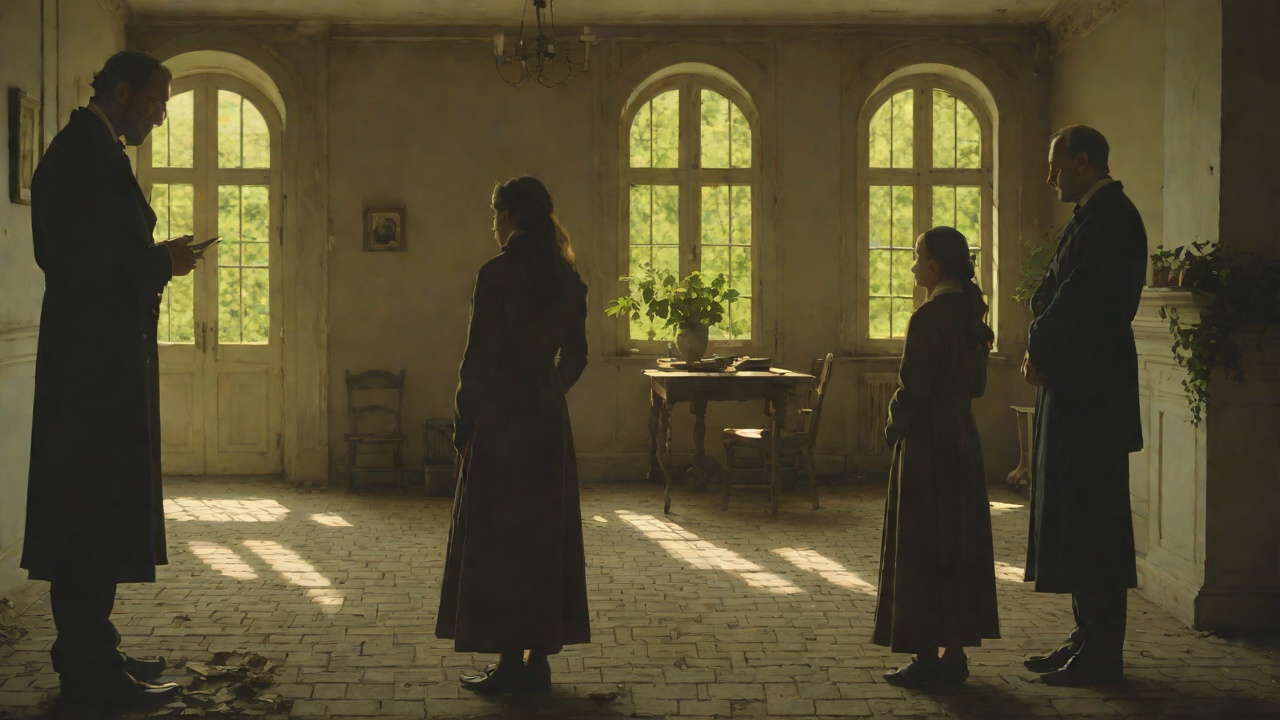
A Father Hears the Truth
Nisida’s Resistance
Nisida rejects the proposed marriage and asks for delay and convent solitude. Her apparent withdrawal conceals an attachment she considers impossible.
Confession
She finally tells Arlequin that she loves Cléante. The confession wounds his expectations, yet it also gives him the information needed to protect her honestly.
The paternal relationship survives because she speaks with trust rather than rebellion.
Painful Expulsion
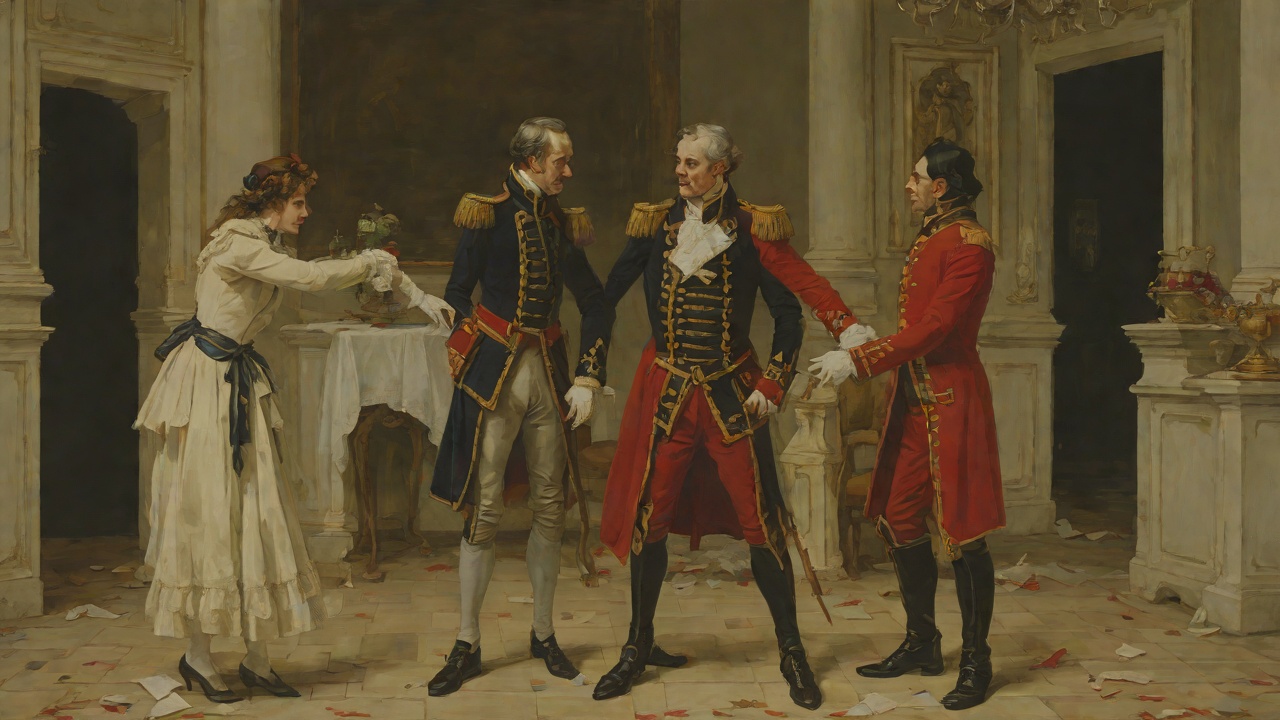
The Cruel Remedy
A Necessary Command
Arlequin dismisses Cléante while weeping and repeatedly declaring his affection. He cannot explain that the dismissal is intended to prevent Nisida’s ruin.
Misread Affection
Cléante experiences the scene as an incomprehensible punishment. Arlequin’s tenderness makes the command more painful because it denies the young man any clear enemy.
The father accepts personal blame for a sacrifice he believes unavoidable.
Ethical Restitution
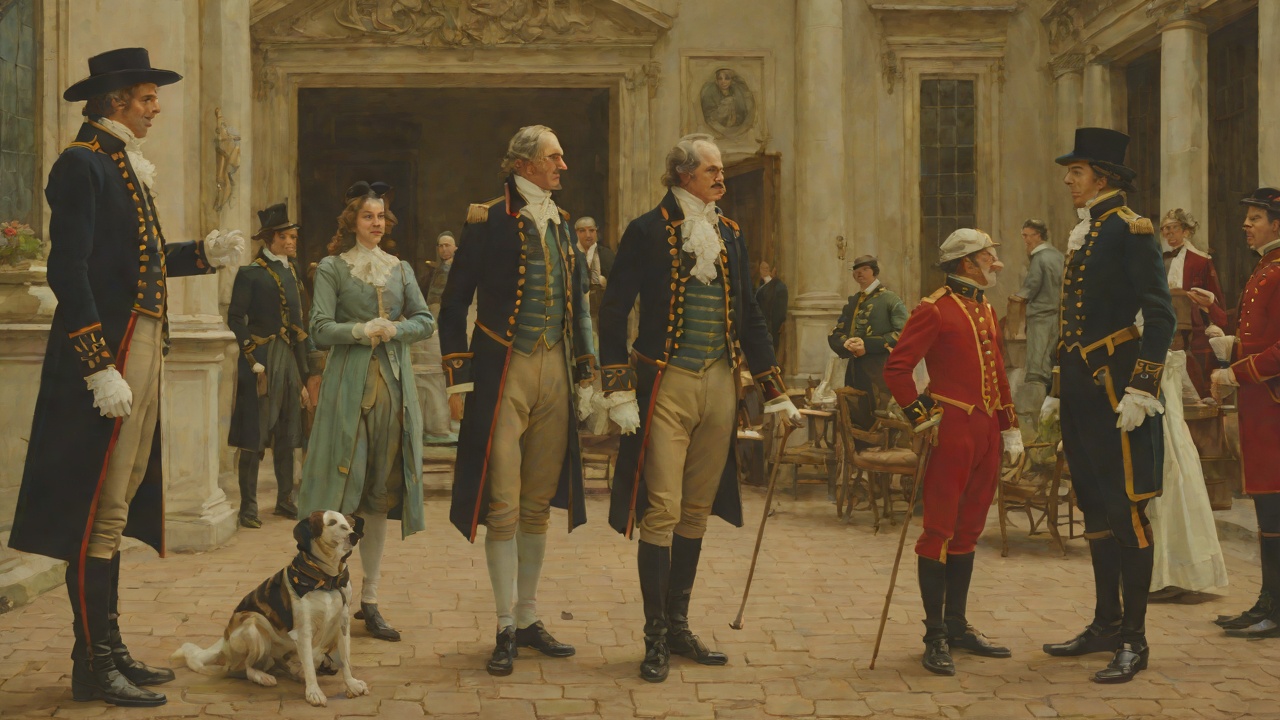
The Honest Father
Fortune Reconsidered
When Cléante identifies himself as the son of comte de Valcourt, Arlequin recognizes that his wealth came from another family’s inheritance.
Voluntary Renunciation
He returns the fortune despite the law and asks only that Nisida not be left destitute. His moral identity becomes stronger through material loss.
Arlequin earns the title of good father by sacrificing both money and pride.
today in the morning
today before the festival
today after the proposal
today shortly after Nisida’s confession
near the ending
